
Importance of Quality Control in Beverages
Beverage testing is crucial for ensuring the safety and quality of drinks consumed worldwide. The beverage industry faces ever-changing global regulations, making reliable testing workflows critical for compliance and consumer safety. Comprehensive testing solutions help detect spoilage organisms, contaminants, and ensure the nutritional value of beverages, whether it's wine, beer, soft drinks, juices, or water. These solutions are designed to meet the highest industry standards and support manufacturers in delivering safe and flavorful products to the marketplace.
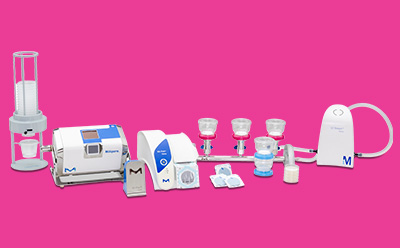
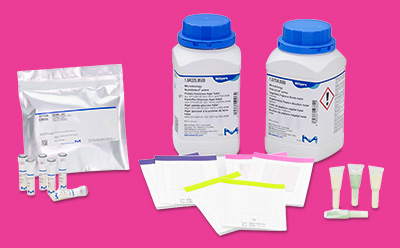
Microbiology Quality Control
This step ensures the quality and reliability of microbiological testing.
- Membrane filtration systems (EZ-Fit®, Microfil®)
- Ready-to-use media (ReadyPlate™, ReadyTube®)
- Dehydrated culture media
- Rapid detection systems (EZ-Fluo™)
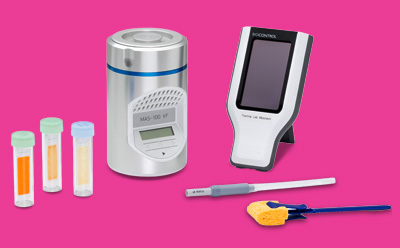
Hygiene monitoring & Sterility testing
This step focuses on assessing the cleanliness and safety of the environment.
- Air and compressed gas monitoring systems (MAS-100® ECO)
- Surface and liquid monitoring tools (eMcollect, swabs, dip slides and media)
- ATP monitoring systems (MVP ICON®)
- Protein residue detection (FLASH®)
- Linden Grain medium for sterility tests in aseptic filling lines
Beverage testing safeguards product integrity – from water quality and ingredient analysis to final taste and shelf-life. Contaminants, inconsistent flavor, or microbial growth can all impact brand trust.
Microbiological Testing Parameters
Microbiological testing is essential to ensure beverages are free from spoilage organisms and pathogens. The following parameters are commonly tested:
- Spoilage Organisms: Bacteria, yeasts, molds
- Indicator Organisms: E. coli, Coliforms, Enterococcus, Pseudomonas aeruginosa
- Total Viable Count: Ensures overall microbial safety
- Specific Microorganisms: Acetic acid bacteria, lactic acid bacteria, ethanol-producing bacteria, and acidophilic heat-resistant bacteria
Chemical Testing Parameters
Chemical analysis ensures beverages meet nutritional and safety standards. Key parameters include:
- Contaminants: Pesticides, heavy metals, residues, natural toxins
- Nutritional Valure: Carbohydrates, fats/lipids, proteins, vitamins
- Processing/Packaging Contaminants: Disinfection residues, packaging materials
- Physical Characteristics: pH, viscosity, conductivity
- Additives: Sweeteners, food dyes, and preservatives
Key Beverages for Testing
Testing is conducted across a wide range of beverages to ensure safety and quality:
- Alcoholic Beverages: Wine, beer, spirits
- Non-Alcoholic Beverages: Soft drinks, juices, teas, isotonics, energy drinks
- Water: Bottled water, mineral water
- Fermented Beverages: Kombucha, probiotic drinks
- Dairy-Based Beverages: Milk, flavored milk, smoothies
Spoilage organisms can be extremely specific to individual products or processing plants and can therefore be difficult to detect by generic methods. However, there are typical culprits: groups or individual species of micro-organisms which cause spoilage of certain beverages, either in-process or in the finished product.

Alicyclobacillus spores, often brought into food manufacturing facilities on contaminated fruit, can survive typical pasteurization procedures. The non-pathogenic bacteria can cause off flavors in the final product, especially affecting fruit juices, concentrates, and preparations as well as tomato products. Spoilage of shelf stable fruit juice products by Alicyclobacillus bacteria can be very costly to fruit juice producers.
The spores, often present in fruit concentrates, are heat resistant and can survive heat processes used by juice manufacturers. It is therefore important that concentrates and other raw materials are screened for spores of these by producers to reduce the risk of spoilage of processed products.
High-sugar, low-acid soft drink beverages provide a favorable environment for the growth of yeasts and lactic acid bacteria. Early detection during production is critical to prevent fermentation, off-flavor development, and overall product spoilage. Although carbonation and an acidic pH in cola and cola-like beverages create inhibitory conditions, these products may still support microbial growth under certain processing or storage conditions.
Modern functional and energy drinks, often enriched with supplements such as vitamins, minerals, and peptides and exhibiting milder acidity or reduced preservatives, further increase the risk of microbial growth and spoilage. Since contamination can alter sensory attributes such as taste, odor, and clarity, rapid and targeted microbiological detection methods are critical to ensure product safety, maintain quality, and prevent economic losses across the beverage production chain.
We offer a wide range of dehydrated and read-to-use culture media for fruit juice and carbonated drinks spoilage organisms, including lactic acid and acetic acid bacteria, yeasts and molds.
Spoilage Detection in Water and Flavored Water
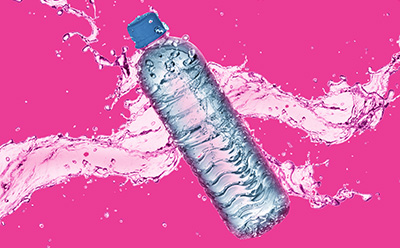
Non-alcoholic beverages such as bottled water, flavored water, iced tea, and isotonic drinks require vigilant monitoring for spoilage organisms and key microbial indicators due to their varied compositions and different susceptibilities to contamination. While factors like low pH, carbonation, and preservatives in sodas can inhibit many microorganisms, acid-tolerant yeasts and bacteria can still survive and cause spoilage, leading to fermentation, gas formation, and off-flavors. In contrast, non-carbonated beverages such as iced tea, sports drinks, and flavored water are more vulnerable to contamination by yeasts and bacteria like Acetobacter and Gluconobacter, especially during storage and post-processing handling.
Effective spoilage detection and microbiological testing in these beverages are critical to preventing product spoilage and maintaining consumer confidence. Tailored microbiological monitoring solutions help producers identify contamination risks early and implement corrective actions to protect quality.
Spoilage Detection for Beer

Traditional screening methods typically involve membrane filtration of a pre-defined volume of beer, enrichment in a liquid broth (if needed) and subsequent plating on solid media. We offer dehydrated and ready-to-use culture media for enrichment, isolation and enumeration, including the dedicated Universal Beer Agar and many other culture media for the detection and enumeration of Lactobacilli, yeasts and molds.
Spoilage Detection for Wine

Wine spoilage typically leads to unwanted odors and off-flavors, and sometimes to unpleasant "in mouth" sensations.
To detect the existence of spoilage organisms early enough to initiate corrective actions, thorough laboratory monitoring and trending of microbes in wine is required. We offer a wide range of dehydrated culture media for enrichment, identification and enumeration of wine spoilage organisms.
With decades of experience in food and beverage testing, we are your trusted partner in ensuring product safety and quality. Our innovative technologies deliver faster testing and reliable results, empowering you to make informed decisions and optimize your processes efficiently. Backed by our regulatory expertise, we help you navigate global standards with ease, ensuring compliance at every step.
Reliable and Reproducible Results: Our products, including ISO-compliant culture media, rapid detection systems, and certified reference materials, ensure reliable and reproducible results, helping you meet regulatory requirements and deliver safe products to the market.
Global Regulatory Compliance: Our regulatory resources, including webinars, whitepapers, and articles, keep you informed about the latest standards such as ISO, FDA-BAM, and EU directives. We help you stay compliant and ahead of industry requirements.
Technical Expertise and Support: Our team of experts are dedicated to supporting your testing needs. From method development and validation to training and maintenance services, we are your trusted partner in achieving optimal performance and compliance.
Commitment to Quality and Sustainability
As a global leader in life sciences, we are committed to advancing food and beverage safety through sustainable practices, innovative technologies, and reliable testing solutions. Our goal is to help you create safe, high-quality products while contributing to your lab’s sustainability goals.
Explore our comprehensive solutions for food and beverage safety.
Learn more about Food Safety Testing and HACCP & Hygiene Monitoring to ensure compliance, quality, and safety at every step of your microbial testing workflow.
Contact Us for Expert Technical Assistance
Let’s ensure every beverage you produce is safe, pure, and premium.
For more information about our products, services, and solutions for beverage testing, or to connect with technical sales specialist for discussions or quotes, please fill out and submit the form below.
Fields indicated by an * are required.
Related Resources
- Spoilage Detection in Beverages
Quality-controlled media test for spoilage organisms in water, beer, wine, or soft drinks, compliant with ISO standards.
- Culture Method for Beer Quality Control
Traditional methods are based morphology, staining methods, enzyme reactions (metabolism) and diverse media.
- DiluCult™ Gravimetric Dilutor & Sample Homogenizer
DiluCult™ gravimetric dilutors automate food sample dilution, enhancing workflow efficiency in sample preparation.
- Media Fills Test for Beverages
Media fill tests for beverages ensure that the filling line is not contaminated with spoilage bacteria, yeasts, or molds, during the production of low-acid aseptic beverages.