Skip to Content
Merck
CN
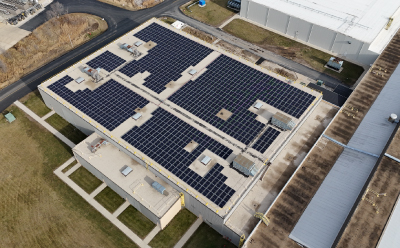
Aerial view of a manufacturing building with a large rooftop solar array, illustrating site‑level electrification and low‑carbon energy projects.

Energy and water efficiency is a crucial topic for organizations aiming to reduce operational costs and mitigate their environmental impact. By prioritizing these efficiencies, businesses can not only enhance sustainability and comply with regulations but also contribute to climate change and resource scarcity.

Section Overview


Case Studies

Real examples from our EDISON program that illustrate common energy and water efficiency approaches—electrification, lab optimization, and water recovery.
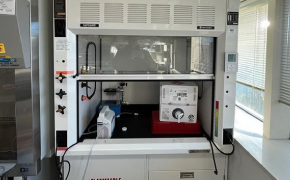
Laboratory fume hood and equipment in a lab workspace, representing lab ventilation and HVAC optimization for energy efficiency.

Heat Pump Installation (Irvine, United Kingdom)

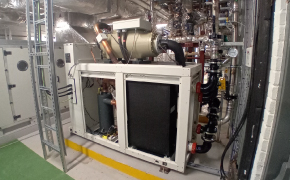
To reduce reliance on natural gas, the EDISON program supported a heat pump installation at our Irvine manufacturing site. The project shifts a portion of site energy demand from gas to electricity while lowering overall emissions. It also demonstrates how electrification projects can deliver both sustainability progress and a clear business case.

The installing of a heat pump.

Lab Retrofit (St. Louis, Missouri, USA)

At our St. Louis site, we retrofitted lab spaces by adding sash controls, implementing Variable Air Volume (VAV), and optimizing HVAC temperature/humidity settings to reduce air change rates. This kind of controls-andoptimization approach is broadly applicable to lab and technical environments and can drive meaningful utility reductions without changing core operations.

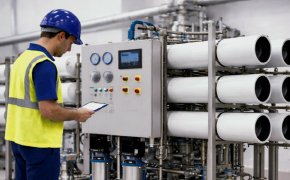
Industrial reverse osmosis water treatment system with membrane housings and a control panel, representing water recovery and reduced water intake.

Reverse Osmosis (RO) Water Recovery (Kankakee, Illinois, USA)

To improve water efficiency, we installed a high-efficiency duplex RO system designed to reduce reject water and increase recovery. The system increases the share of incoming water converted to usable water, helping reduce overall water intake. It’s a practical example of how targeted process upgrades can support water goals, especially at water-intensive sites.


Resources

Bookshelves filled with books in a reading room, symbolizing guidance and learning resources related to energy and water efficiency.

Supplier sustainability toolkit graphic, featuring renewable energy and improved business practices.

View all Toolkits

We’ve created various toolkits to support your sustainability goals across your business, and we’re continuously expanding to create more resources for our suppliers.


SSBI graphic highlighting Merck's sustainablility strategy

Sustainability at Merck

We built the framework of this toolkit by leveraging insights from our own strategy.

Sign In To Continue

To continue reading please sign in or create an account.

Don't Have An Account?