
03854

Creosote from beechwood tar
Synonym(s):
Beechwood creosote
Sign In to View Organizational & Contract Pricing.
Select a Size
Change View
About This Item
Quality Segment
ign. residue
≤0.01% (as SO4)
bp
200-220 °C (lit.)
transition temp
solidification point <−20 °C
density
1.09 g/mL at 20 °C
application(s)
metabolomics
vitamins, nutraceuticals, and natural products
InChI
1S/C7H8O2/c1-9-7-5-3-2-4-6(7)8/h2-5,8H,1H3
InChI key
LHGVFZTZFXWLCP-UHFFFAOYSA-N
General description
Beechwood creosote is a colorless to yellowish greasy liquid obtained from the distillation of wood tar. It comprises of phenol, 4-methylphenol, 2-methoxyphenol, and 2-methoxy-4-methylphenol as its major volatile constituents.
Application
Creosote from beechwood tar has been used as raw material in the synthesis of phenolic branched-chain fatty acids (n-PBC-FA) in the presence of a modified H+ Ferrierite zeolite catalyst.
Biochem/physiol Actions
Creosote from beechwood tar has been reported to exhibit antioxidant activity comparable to that of popular antioxidants α-tocopherol and butylated hydroxytoluene (BHT). It is used as a herbal antidiarrheal medicine owing to its antisecretory activity. Beechwood creosote has also been found to show bactericidal, fungicidal and laxative action.

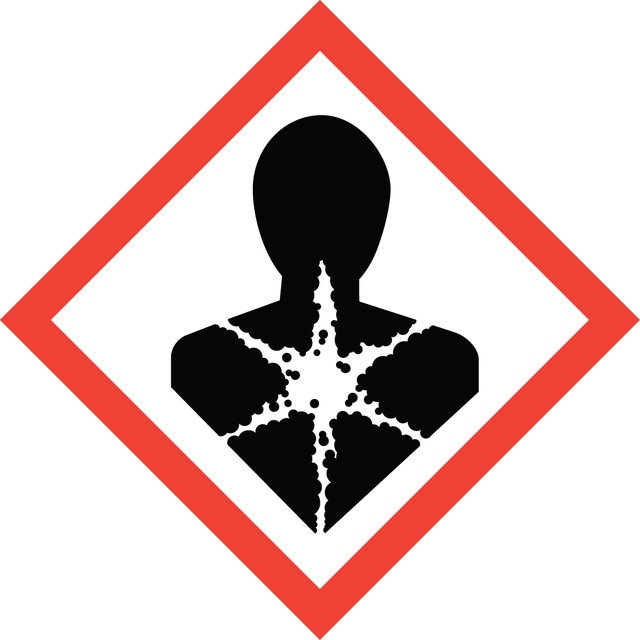
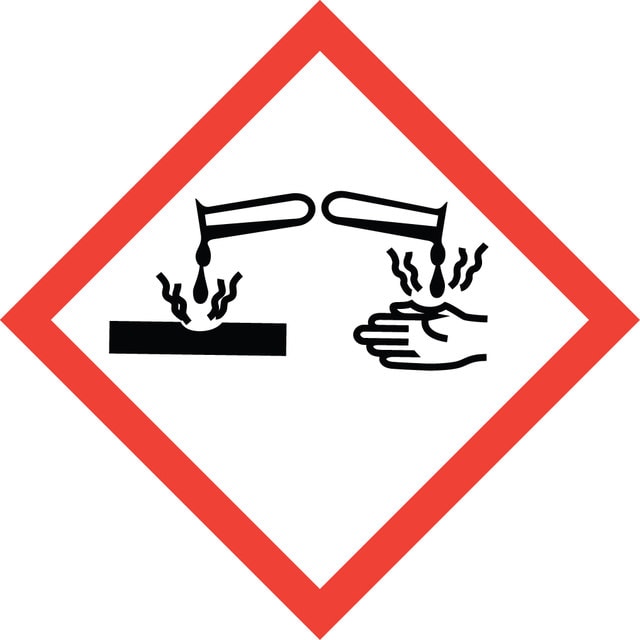
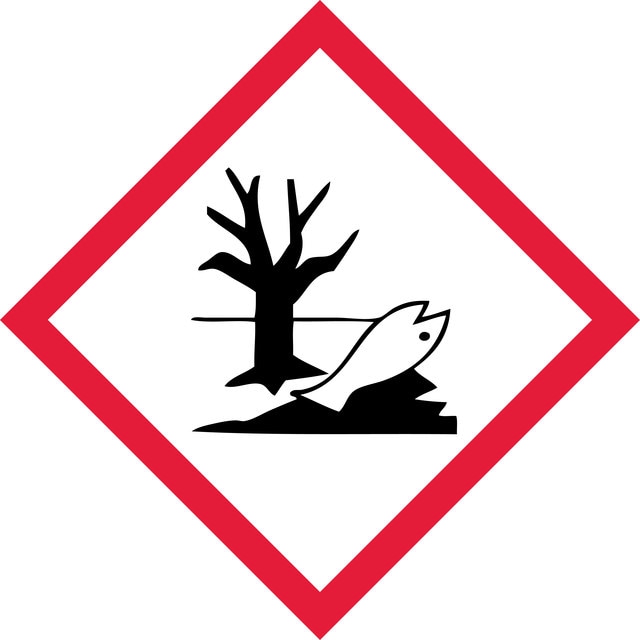
Signal Word
Danger
Hazard Codes
Precautionary Statements
Hazard Classifications
Acute Tox. 3 Dermal - Acute Tox. 3 Oral - Acute Tox. 4 Inhalation - Aquatic Chronic 2 - Eye Dam. 1 - Muta. 2 - Skin Corr. 1A - STOT RE 2
Target Organs
Nervous system,Kidney,Liver,Skin
Storage Class
6.1A - Combustible acute toxic Cat. 1 and 2 / very toxic hazardous materials
WGK
WGK 3
Flash Point (°F)
165.2 °F - closed cup
Flash Point (°C)
74 °C - closed cup
PPE (personal protective equipment)
Faceshields, Gloves, Goggles, type ABEK (EN14387) respirator filter
Choose from one of the most recent versions:
Already Own This Product?
Find documentation for the products that you have recently purchased in the Document Library.