
ST1629

Anti-GNA13 Mouse mAb (6F6-B5)
liquid, clone 6F6-B5, Calbiochem®
别名:
Anti-G Protein α13, Anti-Guanine Nucleotide Binding Protein α13, Anti-Guanine Nucleotide Binding Protein α13, Anti-G Protein α13
登录并加购,请在购物车里查看协议价、货期和发货地。
选择规格
变更视图
关于此项目
NACRES:
NA.41
UNSPSC Code:
12352203
Clone:
6F6-B5, monoclonal
Species reactivity:
human
Application:
—
Citations:
3
biological source
mouse
Quality Segment
antibody form
purified antibody
antibody product type
primary antibodies
clone
6F6-B5, monoclonal
form
liquid
does not contain
preservative
species reactivity
human
manufacturer/tradename
Calbiochem®
storage condition
OK to freeze, avoid repeated freeze/thaw cycles
dilution
(ELISA
Immunoblotting (1-5 µg/mL))
isotype
IgG1
shipped in
wet ice
storage temp.
−20°C
target post-translational modification
unmodified
Gene Information
human ... GNA13(10672)
General description
Anti-GNA13, mouse monoclonal, clone 6F6-B5, recognizes the ~40-45 kDa GNA13 protein in HepG2 cells. It is validated for use in ELISA and Western blotting.
Purified mouse monoclonal antibody. Recognizes the ~40-45 kDa GNA13 protein.
Recognizes the ~40-45 kDa GNA13 protein in HepG2 cells.
Immunogen
Full-length, recombinant, human GNA13 (aa 1-378), expressed as a GST fusion protein
Application
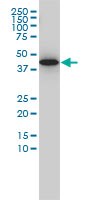
ELISA (see comments)
Immunoblotting (1-5 g/ml)
Physical form
In PBS, pH 7.2.
Preparation Note
Following initial thaw, aliquot and freeze (-20°C).
Analysis Note
Negative Control
293T cells
293T cells
Positive Control
HepG2 cells
HepG2 cells
Other Notes
For ELISA, this antibody can be used as the capture antibody; recommended concentration is 10 ng/ml, 1 µg/well, 100 µl total volume. Variables associated with assay conditions will dictate the proper working dilution.
Legal Information
CALBIOCHEM is a registered trademark of Merck KGaA, Darmstadt, Germany
Disclaimer
Toxicity: Regulatory Review (Z)
Still not finding the right product?
试用我们的 产品选型工具 工具缩小选择范围
存储类别
12 - Non Combustible Liquids
怎么回事?
nwg