
Sterile and Aseptic Sampling
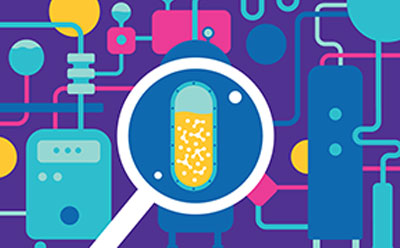
Sampling plays a pivotal role in pharmaceutical and biopharmaceutical manufacturing by safeguarding the safety and quality of drug products. It ensures product integrity and facilitates ongoing monitoring and control of critical parameters throughout production.
With a variety of sampling technologies and many different types of samples, finding the optimum approach for each step of your process can be a challenge.
Key Challenges of Sampling
Key sampling challenges include:
- Contamination: Microbial contamination and cross-contamination can compromise product quality and sample integrity.
- Regulatory Compliance: Stringent regulations necessitate the implementation of robust and validated sampling strategies to meet industry standards and ensure product quality and sample integrity.
- Sampling Strategies: Selecting the appropriate sampling strategy for various process steps is important but for critical process steps, the right sampling strategy is essential to maintain product quality and safety.
This overview of sterile and aseptic and sampling technologies provides a framework to help you navigate the requirements for effective sampling throughout process development and manufacturing. By understanding your options, you’ll be empowered to make informed decisions, mitigate risks, enhance process control and maintain compliance with regulatory standards.
Discover How Sampling Can Safeguard Your Manufacturing


What are relevant regulatory requirements?
Regulatory bodies and industry groups advocate for closed sampling technologies to reduce microbial ingress and ensure representative samples. This approach prioritizes process protection and sample integrity, essential for maintaining high quality and safety standards.
Risk assessments are pivotal in determining the right sampling strategy based on potential impacts to the drug product. Advanced sampling technologies enable accurate assessment of critical parameters, proactive measures to mitigate contamination risks, and continuous monitoring for process control.
Balancing effective bioburden control strategies with regulatory requirements for sampling and testing requires comprehensive risk analysis guided by the recommendations of the International Council for Harmonisation Q9 guideline.

How can sampling help monitor my process?
Sampling has become an essential tool in pharma and biopharma manufacturing for monitoring of critical process parameters (CPPs) and critical quality attributes (CQAs) across all modalities, unit operations, and development stages.
The increasing adoption of process analytical technologies (PAT) highlights the crucial role of sampling in maintaining process control. Automated sampling systems enable near real-time measurements with minimal operator involvement in both process development and GMP manufacturing.
Samples are automatically collected and delivered to at-line, in-line or on-line analytical destinations integrated with PAT tools to monitor CPPs and CQAs, ensuring compliance with stringent biopharmaceutical regulations

Which sampling approach is right for me?
Determining the right sampling strategy with manual or automated sampling systems depends on the process stage, objective of sampling and availability of equipment and funding. A process may exclusively utilize manual sampling or may have evolved to include both manual and automated sampling. Understanding the benefits of the different technologies, will help you understand how each approach can be complementary to help you monitor and control your process.
Closed, sterile manual sampling technologies offer an easy way to confidently sample throughout your process and enable frequent, accurate sampling from multiple access points. Automated, aseptic sampling technologies collect samples from a source without manual intervention and transport them directly for analysis, to at-line or on-line analytical tools.
Related Articles
- Key considerations for process analytical technology (PAT) implementation in biopharma and its role in enabling the facility of the future.
- Discover how automated aseptic sampling as a PAT tool accelerates access to analytical and quality data, supporting Quality by Design and real-time bioprocess control.
- Assessing on-line automated sampling as part of a PAT approach to shorten bioprocess development times through rapid, data-driven decisions.
- Discover how automated sampling technology facilitates and accelerates the integration of an in-line Raman analyzer in the bioprocessing workflow.
- Discover how Process Analytical Technology (PAT) enhances biopharmaceutical manufacturing through aseptic sampling and real-time quality assurance.
- See All (6)
Find More Articles and Protocols
Related Documents
- White Paper: Aseptic Process Sampling Risk Mitigation – A Regulatory Perspective
There are significant consequences associated with microbial contamination during biopharmaceutical manufacturing. Contamination increases risks for the operator, the company, and potentially the patient, all of which can result in significant negative impact.
- Application Note: Microbial Integrity of NovaSeptum® Sampling Systems upon Performance of Multiple Sampling Actuations
The NovaSeptum® and NovaSeptum® GO sampling systems are a family of products designed for single-use sterile sampling throughout the biomanufacturing process.
- White Paper: Accelerate Process Development with Automated Aseptic Sampling
This whitepaper describes evaluation of the MAST® Autosampling Solution as part of an automated PAT system implemented by Takeda Pharmaceuticals.
- White Paper: Automated Aseptic Sampling for Accelerated Access to Process and Quality Data in Upstream Bioprocessing
This white paper focuses on PAT and the use of automated sampling technology to accelerate analytical and quality control methods and provide an approach for access to in-line data to monitor processes in real time.
- Application Note: Enabling Accelerated Raman Model Calibration for Seamless and Reproducible Real-Time Monitoring by Combining Raman and Automated Sampling Technologies
Explore how automated sampling can accelerate the integration of a Raman analyzer for a bioreactor application and speed up the model building phase.
How Can We Help
- If you wish to discuss how automated sampling can support your goals, please reach out via Request Expert Support for Process Analytical Technology (PAT) Tools.
- For inquiries specifically related to manual sterile sampling solutions for single-use and/or multi-use processes, reach out through our dedicated Sterile Sampling Contact Form.
A technical expert will get in touch with you shortly.
Additional Support
- For an overview of our offering for manual and automated sampling, explore our Sterile and Aseptic Sampling Solutions.
- For more information on real-time monitoring and control in bioprocesses, you can explore our Process Analytical Technologies.
Related Webinars
In this webinar we will explore the regulatory framework that guides sampling methodologies and outline the key qualifications necessary for effective sampling assembly, including system integrity evaluations.