
778087

Molybdenum diselenide
-325 mesh, 99.9% trace metals basis
Synonym(s):
Moly selenide, Molybdenum selenide, Molybdenum(IV) selenide, Molybdenum diselenide
Sign In to View Organizational & Contract Pricing.
Select a Size
Change View
About This Item
Empirical Formula (Hill Notation):
MoSe2
CAS Number:
Molecular Weight:
253.86
MDL number:
UNSPSC Code:
12352300
EC Number:
235-027-9
NACRES:
NA.23
Product Name
Molybdenum(IV) selenide, -325 mesh, 99.9% trace metals basis
Quality Segment
assay
99.9% trace metals basis
form
powder
reaction suitability
core: molybdenum
particle size
-325 mesh
mp
>400 °C
application(s)
battery manufacturing
SMILES string
[Mo].[Se].[Se]
InChI
1S/Mo.2Se
InChI key
MHWZQNGIEIYAQJ-UHFFFAOYSA-N
Application
Molybdenum chalcogenide thin film transitors for solar cells are a rapidly expanding area of research and molybdenum selenide compounds play an important role in this research. The layered nature of MoSe2 gives rise to several interesting applications such as field effect transistors ; piezoelectrics and substrates for self assembly
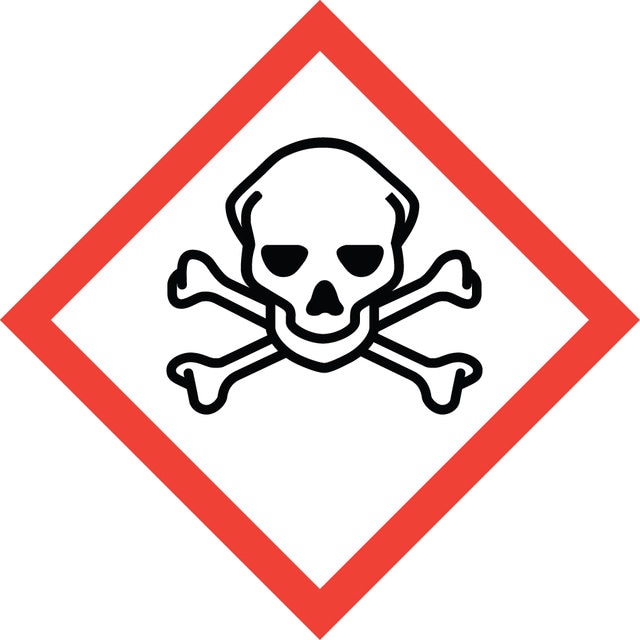


Signal Word
Danger
Hazard Codes
Precautionary Statements
Hazard Classifications
Acute Tox. 3 Inhalation - Acute Tox. 3 Oral - Aquatic Acute 1 - Aquatic Chronic 1 - STOT RE 2
Storage Class
6.1C - Combustible acute toxic Cat.3 / toxic compounds or compounds which causing chronic effects
WGK
WGK 3
Flash Point (°F)
Not applicable
Flash Point (°C)
Not applicable
Choose from one of the most recent versions:
Already Own This Product?
Find documentation for the products that you have recently purchased in the Document Library.