Patient-derived organoids for inflammatory bowel diseases
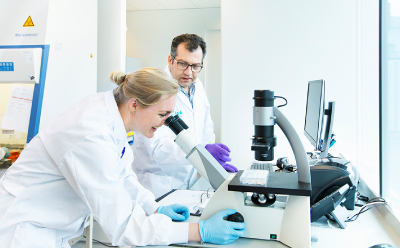
Optimize new therapeutic targets for gut inflammation and inflammatory bowel diseases (IBD) using patient-derived organoids. By creating “mini organs in a dish” from both healthy and diseased tissues, our patented organoid technology enables researchers to predict patient responses with unparalleled accuracy.
Our innovative organoid screening platform for IBD includes a PDO Monolayer screen and a Co-Culture screen and is designed to address the complexities of inflammatory diseases and accelerate the path to effective treatments.
Ready to learn more?
The challenge
Inflammatory bowel disease (IBD) is characterized by chronic inflammation mediated by cytokine storm and immune cell infiltration. While the precise cause of IBD remains elusive, it can be associated with abnormal immune function, genetic factors, or exposure to environmental triggers including some pathogens. Prioritizing disease models that reflect the patient’s condition is paramount to better understand the pathophysiology of gut inflammation and develop effective treatments.
Our solution
Organoid technology enables the development of patient-derived models that reflect the physiological composition of the gastrointestinal tract in vivo, including all specialized intestinal cell types. Furthermore, it is possible to add layers of complexity to this core epithelial component by incorporating stromal elements and immune cells.
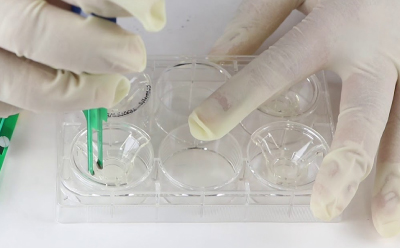
A physiologically relevant human platform to evaluate epithelial barrier function and integrity.
Our PDO Monolayers are designed to recapitulate the composition of the intestinal epithelium in vivo, including stem cells and all differentiated lineages. Starting from patient intestinal crypt biopsies and thanks to our proprietary organoid technology, we have designed a physiological system that allows you to explore inflammatory response, cytotoxicity, and barrier function, as well as investigate the protective effect of your compound on the gut epithelium against cytokine-induced damage.
Learn more from the experts in gut biology and advance with confidence your preclinical candidate to the clinic.
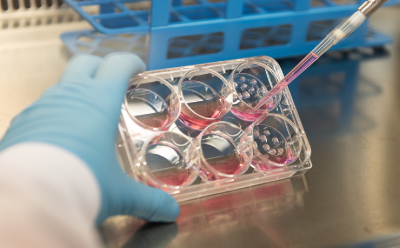
Recapitulate the epithelial microenvironment with our PDO co-cultures including bacteria, fibroblasts, or immune cells.
The development of successful therapies for inflammatory diseases requires evaluating a drug’s impact on the epithelium as well as the immune and stromal cells. Additionally, the role of the microbiome in triggering inflammatory responses needs to be considered. Modeling these intricate interactions often compromises scalability, posing a challenge for preclinical drug development.
Read about our article on how we offer unique organoid co-cultures to facilitate the development of candidates targeting pro-inflammatory fibroblasts and immune cells within the gut epithelial microenvironment. Additionally, we also have established co-cultures with gut microbiome that allow screening for preventive therapies in IBD.
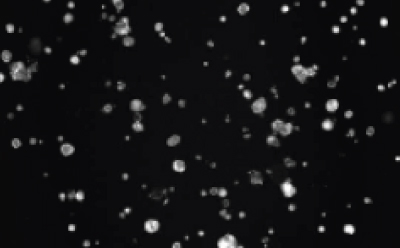
The IBD-diarrheic platform uses PGE2-driven organoid swelling and ATP-based viability to offer researchers a diarrhea-relevant model.
Prostaglandin E2 (PGE2) is a key inflammatory mediator that plays a dual role in IBD, acting as both a protective agent for the gut lining and a driver of inflammation and secretory diarrhea. In our PDO models, PGE2-driven swelling serves as a functional readout of ion imbalance that can be used for the evaluation of anti-inflammatory treatments in IBD.
Our PDO-based functional assays also use an ATP-based viability as a GI toxicity endpoint, thus offering a multiparametric patient-relevant platform to predict diarrhea-like phenotypes and gastrointestinal toxicity.
This platform is ideal for:
- Early de-risking of compounds for diarrhea liability and GI toxicity
- Ranking compounds using functional phenotypes beyond viability alone
- Capturing patient-to-patient variability in response to inflammatory or functional challenges
Related products
Related resources
- Gastrointestinal Organoid Biobank
Browse over 50 patient-derived human intestinal organoids from our PDO biobank. Various ages, sex, tissue origin and diseases available (normal, tumor organoids, ulcerative colitis).
- Patient-Derived Organoid Biobanks for Drug Discovery
Explore HUB patient-derived organoid biobanks and screening platforms for personalized medicine and drug discovery.