
ADC target identification and antibody discovery
Target identification in ADC development focuses on selecting tumor-associated antigens with differential expression on malignant versus healthy tissues and generating high-affinity monoclonal antibodies optimized for internalization and stability. Biochemical reagents, including amino acids, lipids, buffers, detergents, and metabolic tools, support antigen production, cell-based screening, antibody expression, and initial characterization.
Browse the biochemical reagents used at each step of ADC target identification and antibody discovery below.
- Amino acids for antibody development
- Antibiotics for experimental consistency
- Biological buffers for system stability
- Carbohydrates for cell-based assays
- Chelating and reducing reagents for protein stabilization
- Detergents for protein solubilization and stability
- Glycoconjugates for glycobiology
- High-purity biochemicals for accuracy
- Lipids for antigen presentation
- Metabolism assay kits for target analysis
- Metabolite libraries for metabolomic analysis
- Polyethylenimine (PEI) for transfection efficiency
Amino acids for antibody development
Amino acid supplementation is critical in serum-free and chemically defined media formulations, supporting cell viability, improving antibody expression yields, and contributing to post-translational modifications, including glycosylation, in hybridoma and CHO-based production.
Carbohydrates for cell-based assays
Carbohydrates such as glucose and trehalose serve as primary energy sources and cryoprotectants in cell-based assay systems. Glucose sustains antibody-secreting cultures, while trehalose supports protein and cell stabilization during freeze-drying and early ADC discovery formulation steps.
Chelating and reducing agents for protein stabilization
Chelating agents remove trace metal ions that catalyze oxidative protein degradation, while reducing agents such as DTT cleave disulfide bonds to prevent non-specific aggregation, facilitate antibody fragment preparation (Fab, F(ab')2), and maintain native protein conformation during purification and structural analysis.
High-purity biochemicals for accuracy
Reagent-grade and BioUltra-certified biochemicals, including inorganic salts, bases, and buffer components, minimize background interference and ensure assay reproducibility. Endotoxin-tested and DNase/RNase-free grades are particularly important in sensitive cell-based target screening and antibody binding assay formats.
Lipids for antigen presentation
Lipids such as cholesterol and phosphatidylcholine reconstitute native-like membrane bilayers, enabling tumor-associated surface antigens to be displayed in a biologically relevant context. This supports accurate assessment of antibody-antigen recognition and binding selectivity during early-stage ADC candidate screening.
Polyethylenimine (PEI) for transfection efficiency
Polyethylenimine (PEI) forms stable polyplexes with plasmid DNA, enabling efficient transient and stable transfection in HEK293 and CHO cell systems commonly used for antibody gene expression, antigen construct delivery, and reporter-based target validation in ADC discovery workflows.
Related product categories
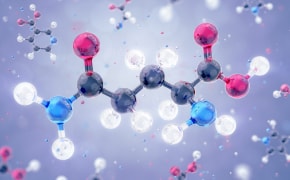
Explore a comprehensive range of high-purity amino acids and derivatives for metabolomics and protein research.

Prevent cell culture contamination with our antibiotics and kits designed to support healthy cultures and dependable research.
Our portfolio of high-purity biological buffers in various formulation and packaging formats provide superior solution stability and pH control.
Explore our biological detergents and surfactants, including REACH-compliant biodegradable alternatives.
Explore our wide selection of glycoconjugates, including proteoglycans, glycoproteins, and glycolipids, for all your applications.

High-purity BioUltra and BioXtra grade biochemicals with low trace element content for demanding research applications.
We offer a broad range of metabolism assay kits for the convenient and dependable analysis of metabolites and enzymes for all your research.

Our ready-to-use metabolite libraries and kits streamline metabolite identification and metabolic pathway research.
Related articles
- Target identification with Hyas and Dione kits
Dione and Hyas kits allow users to rapidly conjugate iridium catalysts onto any small molecule of their choice in an operationally simple procedure.
- Hit discovery and confirmation for early drug discovery
Hit discovery and confirmation identify active molecules against targets, requiring the development of compound screening assays.