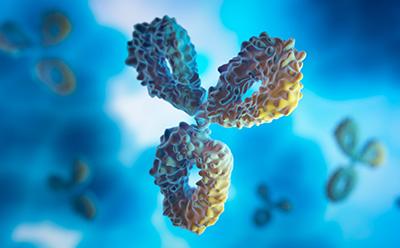
Robust preclinical methods are crucial for evaluation of potential antibody drugs, ensuring that time, money, and effort are spent on the most promising candidates with greatest therapeutic potential. Recent advances in preclinical modeling and multi-parameter analysis have significantly improved the rigor of experimental evaluation of lead antibody candidates. Our products provide more biologically relevant models and enable more comprehensive assessment to accelerate therapeutic antibody development.
WANT TO VIEW A CATALOG OF OUR PRECLINICAL OFFERINGS?
Download our brochure to find tools for your mAb preclinical safety and efficacy studies.
Cell Preclinical Models
Patient-Derived Organoids
Patient-derived organoids (PDOs) provide a powerful in vitro preclinical model for evaluating monoclonal antibody (mAb) mechanisms, efficacy, and safety by recapitulating:
- Target-relevant antigen expression: PDOs retain the molecular and phenotypic characteristics of the original patient tissue, including native antigen density, heterogeneity, and spatial organization. This enables more physiologically relevant assessments of mAb binding, target accessibility, and downstream pharmacologic effects.
- In vivo-like functional responses and pathway activations: PDOs maintain the functional architecture and signaling networks of their tissue of origin, allowing detailed evaluation of mAb mode of action. Researchers can profile immune-mediated responses, receptor engagement, Fc-driven pathways, and resistance mechanisms while identifying biomarkers that predict therapeutic response.
- Diversity: The ability to generate PDOs across multiple genetic backgrounds, disease subtypes, and levels of antigen expression supports more robust evaluation of mAb efficacy and safety. This diversity enables early identification of variable patient responses, including non-responders or those with unique immune signatures.
Peripheral Blood Mononuclear Cells (PBMCs)
PBMCs play a critical role in assessing therapeutic antibody function, immune engagement, and safety. In partnership with BioIVT, we offer pre-isolated immune cells that can be selected based on donor criteria to meet study requirements.
- Immune Effector Function: Evaluate ADCC, CDC, and phagocytosis using primary immune cell subsets.
- Cytokine Release: Detect early immunotoxicity signals by measuring cytokine and chemokine secretion in response to antibody stimulation.
- Mechanistic Profiling: Characterize immune pathways activated or inhibited by mAbs such as T-cell activation, NK-cell activity, and macrophage polarization.
- Target Validation: Confirm antibody specificity and activity in disease-relevant immune cell populations.
- Screening Assays: Use PBMC-based assays to optimize antibody candidates and rank lead molecules.
- Biomarker Identification: Discover predictive immune signatures associated with therapeutic response or adverse effects.
Cell Cultureware for Reproducible Antibody Assays
Ensure assay scalability and consistency with Millicell® Microwell Plates and Cell Culture Inserts:
- Millicell® ULA Plates: Support formation of spheroids or tissue-like structures for improved antibody penetration and binding studies.
- Millicell® Cell Culture Inserts: Enable multi-dimensional assessment of barrier function, antibody transport, and tissue-specific targeting mechanisms.
Reliable Verification Tools for Confirmatory Antibody Studies
Our suite of immunoassay and protein analysis tools provides high-confidence confirmation of mAb function, safety, and mechanism:
- ELISA Kits: Quantify antibody binding, titer, and antigen specificity.
- MILLIPLEX® Multiplex Immunoassays: Measure cytokines, chemokines, and biomarkers across human and nonhuman primate samples.
- Western Blot Analysis: Confirm target engagement and downstream signaling effects.
- mPAGE™ Protein Gel Casting System: Validate antibody purity, stability, and structural integrity.
For Research Use Only. Not For Use In Diagnostic Procedures.
Related Categories
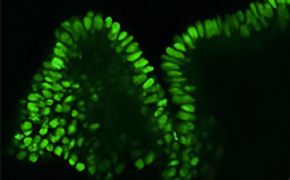
Human iPSC-derived and patient-derived organoids for advanced cell culture.

Promoting natural, multidimensional growth for more relevant in vitro models.
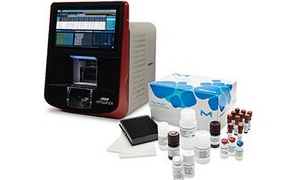
Analyze preclinical response with MILLIPLEX® multiplexing biomarker assays.
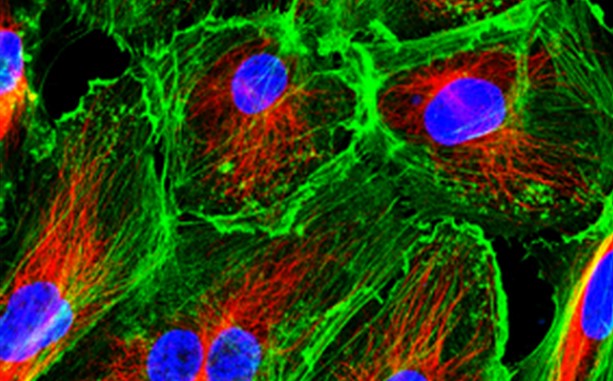
Human primary cells, normal and disease state PBMCs, and immune cells.

Reagents, consumables, and equipment for electrophoresis and detection.

Rapid, quantitative, and sensitive analyte detection at low cost.
Related Products
Related Resources
- Transcriptomics
Comprehensively profile infection, disease, or immune response with MULTI-seq analysis.
- Webinar: Metabolomics
Optimize mass spectrometry metabolomics applications.
- MILLIPLEX® Multiplex Assays for Immunology
Profile more immune biomarkers, faster.