

General description
The low endotoxin TissueFab® bioink SilkGel -Vis/405nm SPS crosslinking kit can be used to bioprint cell-laden hydrogels in the desired shape without any supporting material. This bioink can be crosslinked in one step using exposure to 405 nm light for further culture and maturation of cells for tissue engineering and regenerative medicine applications.
Application
Currently, there is a need for high-quality, commercially available ready-to-use bioink formulations to enable the reproducible fabrication of synthetic tissues and organs by 3D Bioprinting
- drug discovery
- in-vitro disease models
- regenerative medicine-cell
- cultured meat
Features and Benefits
- Bioprinting models replicate biology for drug discovery and in vivo applications
- Sterile, low endotoxin
- Batch control offers reproducible models for preclinical toxicology testing and drug screening
- Extended shelf-life & stability
Legal Information
TISSUEFAB is a registered trademark of Merck KGaA, Darmstadt, Germany
仅试剂盒组分
产品编号
说明
- TissueFab® bioink SilkGel -Vis/405nm, low endotoxin
- TissueFab® Sodium Persulfate Solution, low endotoxin

signalword
Danger
hcodes
Hazard Classifications
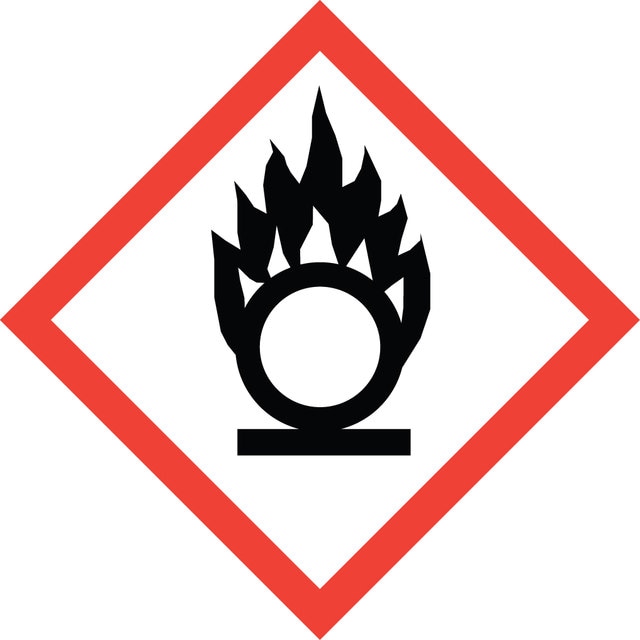
Ox. Liq. 3 - Resp. Sens. 1 - Skin Sens. 1
存储类别
5.1B - Oxidizing hazardous materials
wgk
WGK 3
flash_point_f
Not applicable
flash_point_c
Not applicable