
F6892

Farnesyl pyrophosphate ammonium salt
methanol:ammonia solution, ≥95% (TLC)
Synonym(s):
3,7,11-Trimethyl-2,6,10-dodecatrien-1-yl pyrophosphate ammonium salt, FPP
Sign In to View Organizational & Contract Pricing.
Select a Size
Change View
About This Item
Empirical Formula (Hill Notation):
C15H37N3O7P2
CAS Number:
Molecular Weight:
433.42
NACRES:
NA.83
PubChem Substance ID:
UNSPSC Code:
12352204
MDL number:
Quality Segment
assay
≥95% (TLC)
form
methanol:ammonia solution
packaging
vial of 200 μg
storage temp.
−20°C
SMILES string
C\C(C)=C\CC\C(C)=C\CC\C(C)=C\COP(O)(=O)OP(O)(O)=O
InChI
1S/C15H28O7P2/c1-13(2)7-5-8-14(3)9-6-10-15(4)11-12-21-24(19,20)22-23(16,17)18/h7,9,11H,5-6,8,10,12H2,1-4H3,(H,19,20)(H2,16,17,18)/b14-9+,15-11+
InChI key
VWFJDQUYCIWHTN-YFVJMOTDSA-N
Gene Information
rat ... Fnta(25318)
General description
Application
Farnesyl pyrophosphate ammonium salt has been used:
- as a prenylation agonist in human osteogenic sarcoma cells in collagen-based cell invasion assays
- in the prenylation of the hepatocyte growth factor (HGF) in human umbilical vein endothelial cells (HUVECs)
- as a substrate in prenyltransferases assay in diatom Haslea ostrearia
Biochem/physiol Actions
Farnesyl pyrophosphate (FPP) is the precursor for the biosynthesis of cholesterol, ubiquinone and dolicol. It is part of the intracellular mevalonate pathway. FPP is essential for cell survival and is used for prenylation of several low molecular mass G proteins, including Ras. Inhibition of prenylation results in loss of oncogenic potential of Ras proteins. Inhibition of prenylation may serve as therapeutic potential for management of synaptic plasticity and Alzheimer′s disease.
Physical form
Solution in methanol: 10mM aqueous NH4OH (7:3)
Actual concentration given on label
Actual concentration given on label
Disclaimer
Supply conditions do not apply to the regions and states of Brazil: North, Northeast, Mato Grosso do Sul, Mato Grosso, and Rio Grande do Sul.

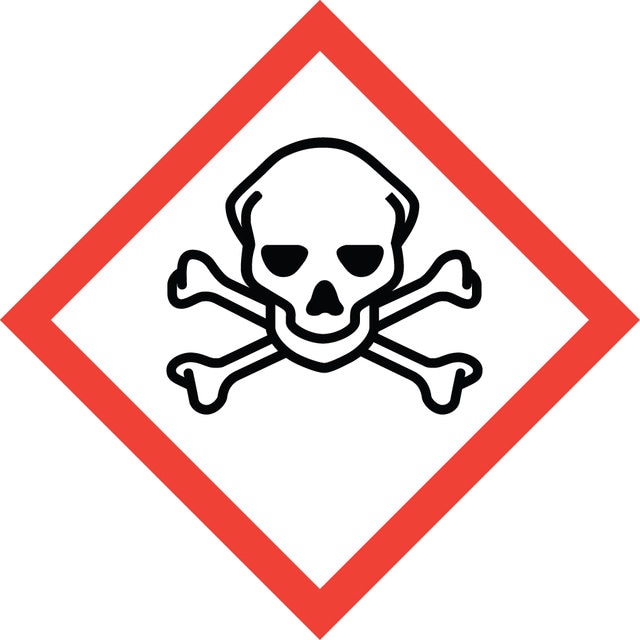

Signal Word
Danger
Hazard Codes
Precautionary Statements
Hazard Classifications
Acute Tox. 3 Dermal - Acute Tox. 3 Inhalation - Acute Tox. 3 Oral - Aquatic Chronic 3 - Eye Irrit. 2 - Flam. Liq. 2 - Skin Irrit. 2 - STOT SE 1
Target Organs
Eyes,Central nervous system
Storage Class
3 - Flammable liquids
WGK
WGK 2
Flash Point (°F)
60.8 °F
Flash Point (°C)
16 °C
Choose from one of the most recent versions:
Already Own This Product?
Find documentation for the products that you have recently purchased in the Document Library.