I1408

IMAC-Select Affinity Gel
(1:1 suspension in a 30% ethanol solution)
Synonym(s):
Affinity Gel
Sign In to View Organizational & Contract Pricing.
Select a Size
Change View
About This Item
NACRES:
NA.56
UNSPSC Code:
41106500
Quality Segment
form
(1:1 suspension in a 30% ethanol solution)
shelf life
1 yr
technique(s)
affinity chromatography: suitable
impurities
≤0.08 Metal Contamination (μmol/ml packed gel)
matrix
6% beaded agarose
capacity
10-30 μmol/mL binding capacity (Cu+2)
shipped in
wet ice
storage temp.
2-8°C
Application
An immobilized metal affinity chromatography (IMAC) product that can be widely used for purifying proteins, peptides, and nucleotides of interest, most commonly proteins. IMAC-Select utilizes a non-charged linkage chemistry to connect the proprietary quadridentate chelate to the agarose bead matrix. IMAC-Select Affinity Gel is durable and can capture proteins of interest with an affinity to various metal ions such as nickel, cobalt, iron or gallium. A metal free resin allows researchers to add metal of choice, or to use the resin to remove metal contamination from a protein. IMAC-Select Affinity Gel has been used in the affinity purification of kelch-like ECH-associated protein 1 (KEAP1), Wilms tumor gene on the X chromosome (WTX) and glycoprotein G1 tail protein of the andes virus.
Physical form
1:1 suspension in a 30% ethanol solution
Preparation Note
The ethanol used to store the affiinity gel must be removed prior to use to avoid precipitation of buffer salts.The affinity gel is first washed with 1 to 2 volumes of deionized water to remove ethanol. The gel is charged with 2 to 3 volumes of a solution of the desired metal ion at a concentration of 10 mg/mL, and then equilibrated with 3 to 5 volumes of equilibration buffer.
Other Notes
Do not allow the affinity gel to remain in any buffer for extended periods of time unless it contains an anti-microbial agent such as 30% ethanol.
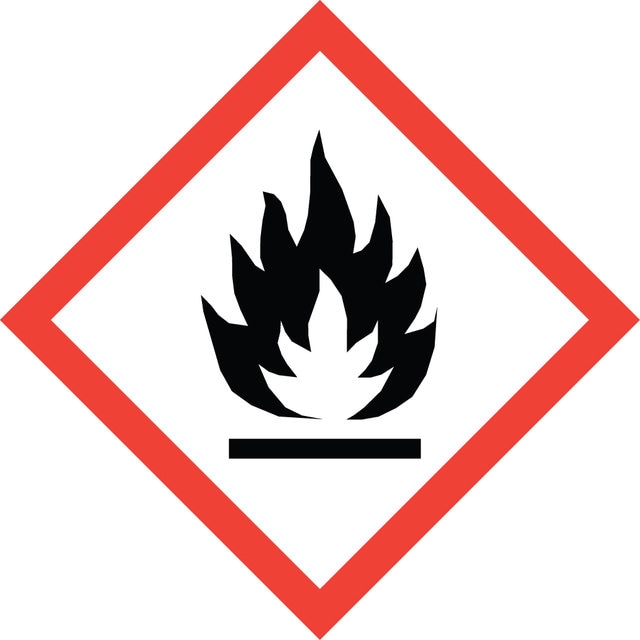
signalword
Warning
hcodes
Hazard Classifications
Flam. Liq. 3
Storage Class
3 - Flammable liquids
wgk
WGK 3
flash_point_f
120.2 °F - closed cup
flash_point_c
49 °C - closed cup
ppe
Eyeshields, Faceshields, Gloves, type ABEK (EN14387) respirator filter
Choose from one of the most recent versions:
Already Own This Product?
Find documentation for the products that you have recently purchased in the Document Library.