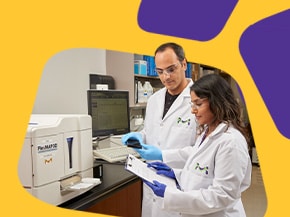
Excipients for Injectables and Parenteral Formulations

Discover how our high-quality excipients can enhance the safety and efficacy of your injectable and parenteral formulations. Designed specifically for high-risk applications, our Emprove® Expert portfolio not only meets stringent regulatory requirements but also supports your journey to market with comprehensive documentation and expert guidance.
Key Benefits and Features
Low Bioburden and Endotoxin Levels
Our Emprove® Expert portfolio is designed to meet regulatory requirements for high-risk applications, helping you reduce microbial contamination risks.
Extensive Expertise and Regulatory Support
Benefit from our extensive regulatory knowledge and dedicated expert team, ensuring you have the right resources at every step.
Industry-leading Documentation
Comprehensive technical, regulatory, and supply information available at your fingertips with the Emprove® Program.
Emprove® Expert Portfolio: Meeting Regulatory Requirements of High-risk Applications
As your trusted partner in formulations, we offer an extensive portfolio of high-quality excipients tailored to pharmaceutical applications. Our commitment to advancing pharmaceutical development is backed by our Emprove® Program which provides comprehensive technical, regulatory, and supply documentation to support your risk assessment efforts and accelerate your journey to market.
The Emprove® Expert portfolio specifically addresses the challenges of high-risk applications, featuring excipients with specified low endotoxin and bioburden levels to help streamline your regulatory filing process and aid your efforts for compliance with parenteral application standards.
Understanding Parenteral Formulation Needs: Essential Considerations for Injectable Dosage Forms
High-risk products such as injectables, parenteral formulations and peritoneal dialysis solutions must be sterile and essentially free from endotoxins to confirm with regulatory requirements and improve patient safety. Risk mitigation measures throughout the process are an essential element to control product quality and improve patient safety. Important considerations in parenteral drug manufacturing include:
- Reduce Risk of Endotoxin Contamination: Implementing stringent quality control measures and utilizing excipients with specified low endotoxin levels are essential to minimize the risk of contamination throughout the manufacturing process.
- Choose an Appropriate Sterilization Method: Selecting the right sterilization method—whether terminal sterilization or aseptic processing—ensures that the final product meets safety standards while maintaining the integrity of the formulation.
- Select High-quality, Risk-mitigated Raw Materials: Utilizing high-quality excipients specifically designed for parenteral applications helps to ensure compliance with regulatory requirements and enhances the overall safety and efficacy of the final product.
Frequently Asked Questions
What challenges are commonly faced in the development of parenteral formulations?
Common challenges in parenteral formulation development include potential contamination throughout the process, introduced by manufacturing equipment, process chemicals and excipients, manufacturing personnel, or the environment (air). Implementing effective risk mitigation measures is vital to ensure final product quality and patient safety in these high-risk applications. Additional challenges include: Solubility and stability of the final formulation, sterility assurance, quality control, and navigating complex and evolving regulatory requirements. Read on in our technicle article “Parenteral Drugs: Ensuring Sterility and Minimizing Risks During Manufacturing”.
How do endotoxin levels in excipients impact patient safety?
Endotoxins can trigger inflammatory reactions and adverse immune responses in patients. They may be introduced as contaminants in raw materials, process and excipients used to manufacture the parenteral formulation, or they can arise from bacterial contamination. Removing endotoxins from a final formulation is extremely challenging, making it critical to minimize their introduction and monitor levels throughout the process. When selecting excipients, it’s essential to account for the cumulative effect of endotoxins: While a single excipient may have endotoxin levels below regulatory limits, the combined contamination from endotoxins and bacteria multiple excipients and the process can result in a formulation that exceeds the regulatory limits for the respective application. It is therefore important to consciously select high-purity excipients and raw materials with specified low endotoxin and microbial levels for high-risk applications. Learn more in our dedicated webinar “Managing Endotoxins - Detect, Prevent, Remove”
What are the best practices for mitigating risks in parenteral drug manufacturing?
Establishing stringent quality control as well as robust process monitoring and testing methods is key to ensure the safety and quality of your final product. Making an informed decision on the right sterilization technique is key and can be determined by various factors such as the API and formulation characteristics or material of the final packaging. Comprehensive risk assessment to identify potential issues in the manufacturing process and the implementation of risk mitigation measures throughout the process is required by regulatory authorities and can be supported by comprehensive information provided by suppliers. Using high-quality raw materials and excipients with low endotoxin and microbial levels can help meet the demands of parenteral application and ease risk assessment efforts. Read our technical article “Overcoming Excipient Risks and Challenges for Parenteral Formulations”
Related Webinars

Related Articles
- Parenteral Drugs: Ensuring Sterility and Minimizing Risks During Manufacturing
Learn strategies to help ensure the sterility of parenteral drugs and minimize risk during manufacturing of these high-risk applications.
- Overcoming Excipient Risks and Challenges for Parenteral Formulations
This overview describes the challenges when developing parenteral formulations and strategies to overcome them and reduce the risk of production.
- Assuring Excipient Quality for Parenteral Products
This article discusses the role that excipient suppliers play in assuring the quality of parenteral drug products.
Related Documents
- Flyer: Addressing Your Requirements for Parenteral Applications
Discover our comprehensive excipient portfolio for injectable formulations and their key features.