Biopharma Excipients for Improved Stability, Performance and Process Efficiency
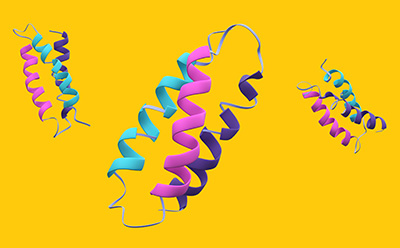
Biologics are therapeutics that can be based on proteins, peptides, viruses, viral vectors, or nucleic acids. The right choice of excipients is key to maintain stability and functionality throughout the manufacturing and formulation process, as well as during storage and time of use.
Our biopharma excipients are developed to maintain the stability, safety, and performance of your biologic formulations from early development through commercial manufacturing. With the essential functionalities and high quality needed for high-risk biomolecule formulations, our excipient portfolio includes everything you need to support your biologic’s formulation.
Key Benefits and Features
High-Quality Portfolio for Biologics
Broad portfolio of high-quality excipients with functionalities essential for biomolecule formulation.
Low Bioburden and Endotoxin Levels
Our Emprove® Expert portfolio is designed to meet regulatory requirements for high-risk applications, helping you reduce microbial contamination risks.
Industry-leading Documentation
Comprehensive technical, regulatory, and supply information available at your fingertips with the Emprove® Program.
Overview of Our Excipient Portfolio for Biopharmaceutical Formulation
- Buffers and pH modifiers to optimize the pH of your buffer system
- Inorganic salts for osmolarity adjustment
- Protein stabilizers, including high-purity surfactants, amino acids, and sugars
- Viscosity-reducing excipients to enable highly concentrated protein formulations
- Granulated materials to avoid caking issues and improve handling and process efficiency
- Non-animal-origin squalene for vaccine adjuvant application
Discover Our Flagship Excipients for Biomolecule Formulations
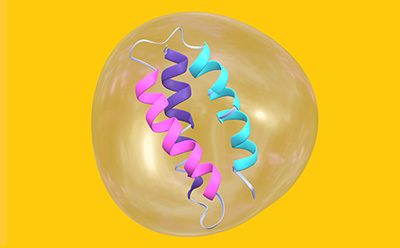
Prevent Protein Aggregation with Protein Stabilizers and High Purity Surfactants
Safeguard the stability of your biologics with our portfolio of high-purity sugars, polyols, amino acids, and surfactants — all designed to help you overcome protein aggregation challenges of your high-risk formulations.

Achieve High-Concentration Protein Formulations with Confidence
Reduce viscosity efficiently while maintaining protein stability with our innovative Viscosity Reduction Platform: Unique excipient combinations help you manufacture highly concentrated protein formulations that improve patient convenience and optimize process economics.

Boost Process Efficiency with Free-Flowing Granulated Materials
Keep your manufacturing smooth and safe with our easy-to-handle granulated materials. Designed to minimize caking, improve flowability, and enhance operator safety, they help you speed up production and maintain consistent quality in biomolecule processing.
Emprove® Expert Portfolio: Meeting Regulatory Requirements of High-risk Applications
Our commitment to advancing pharmaceutical development is backed by the Emprove® Program, which provides comprehensive documentation to expedite your journey to market. For high-risk applications such as parenteral administration, our Emprove® Expert excipient portfolio is particularly well suited as it features specified low endotoxin and bioburden levels to support risk mitigation efforts.
Frequently Asked Questions
What are common challenges in biopharma formulation development and manufacturing?
Common challenges include maintaining protein stability, preventing aggregation, ensuring optimal pH and osmolarity, managing viscosity for injectability, and addressing the complexities of scaling up production processes. To tackle these challenges, it is important to consider manufacturing and formulation conditions carefully, and use high-quality process chemicals and functional excipients.
What are biopharmaceutical excipients, and why are they important?
Biopharmaceutical excipients are used to support the stability, performance, and manufacturability of biologics. They play a critical role in maintaining the stability and functionality of biomolecules such as monoclonal antibodies and other proteins, peptides, and nucleic acids throughout the manufacturing process, storage, and administration.
What types of excipients are commonly used in biomolecule formulations?
Common excipients for biomolecule formulations include: buffers and pH modifiers for optimizing process and formulation conditions; inorganic salts for tonicity adjustment; antioxidants to protect the biomolecule from oxidative degradation; protein stabilizers (such as sugars, polyols, and surfactants) to stabilize the biomolecule against mechanical and thermal stresses; viscosity modifiers that adjust the viscosity as required for processing and administration, and adjuvants that are used in vaccine applications to improve immune response.
Related Webinars

Related Articles
- This article describes a purification process resulting in low nanoparticulate impurities sucrose, enabling more stable protein formulations.
- This article outlines critical factors in long-term stability of proteins, and how different stabilizers protect again mechanical and thermal stress.
Related Documents
- Brochure: High-quality Stabilizers for Your Biomolecules
Browse the PDF flyer showcasing key features of our stabilizer portfolio
- Brochure: Granulated Materials
See how our free-flowing granulated chemicals simplify handling, reduce caking, and boost process efficiency.
- Application Note: Non-animal Origin Squalene for High-risk Applications
Discover how NAO squalene provides an effective alternative to shark squalene in vaccines, enhancing immune response while addressing environmental concerns.
- White Paper: Protecting Protein Stability with a Novel Grade of Sucrose
Learn how a sucrose with low nanoparticle impurity levels enhances protein stability in formulations for improved shelf-life and performance.
- White Paper: Optimizing Poloxamer 188 for Liquid Formulations and Cell Culture
Find out how poloxamer characteristics impact protein stabilization and shear protection performance, with practical guidance for product selection.
- White Paper: Use of Excipients in Downstream Processing to Improve Protein Purification
Explore the beneficial effects of excipients on purification performance and protein stability in downstream processing, including Protein A chromatography and virus inactivation data.