

General description
The Imprint Ultra Chromatin IP Kit is Sigma′s second generation chromatin immunoprecipitation (ChIP) kit developed for maximum sensitivity and optimum next-generation sequencing results. It provides a complete solution for Chromatin Immunoprecipitation, including columns and reagents for DNA purification. The kit allows researchers to explore the genome-wide binding sites of low abundance transcription factors (TFs), as well as novel histone modifications. It is optimized for ChIP reactions with chromatin from 106 cells (up to ~50 μg DNA), and can also be scaled up (or several preparations pooled) to accommodate 108 cells for genome-wide binding studies in ChIP-chip and ChIP-Seq applications.
Application
- Suitable for downstream applications
- Individual target characterization to genome-wide profiling techniques
- Characterization of signal transduction pathways
- Verification of ChIp-chIP and ChIP-seq data
Features and Benefits
- Use successfully CHiP′ed DNA associated with low abundance, medium, and highly expressed transcription factors, as well as histone modifications
- Greater capacity - can be used over a wide range of cell numbers ranging from 2-10 × 106
- Maximum sensitivity - capable of detecting low abundance transcription factors with as little as 2 × 10⁶ cells
- Employs DNA-Blocked "Staph-Seq" for IP (immunoprecipitation), minimizing contaminating Staph A DNA in downstream ChIP-Seq applications.
Legal Information
Imprint is a registered trademark of Merck KGaA, Darmstadt, Germany
仅试剂盒组分
产品编号
说明
- Sodium dodecyl sulfate solution, 10% in 18 megohm water
- Monoclonal Anti-POLR2A antibody produced in mouse, clone 1F17, purified immunoglobulin, buffered aqueous solution
试剂盒组分也可单独购买
产品编号
说明
化学品安全说明书 & 价格
- IgG from rabbit serum, reagent grade, ≥95% (SDS-PAGE), essentially salt-free, lyophilized powder
- Bovine Serum Albumin, lyophilized powder, essentially globulin free, ≥99% (agarose gel electrophoresis)
查看所有结果 (12)

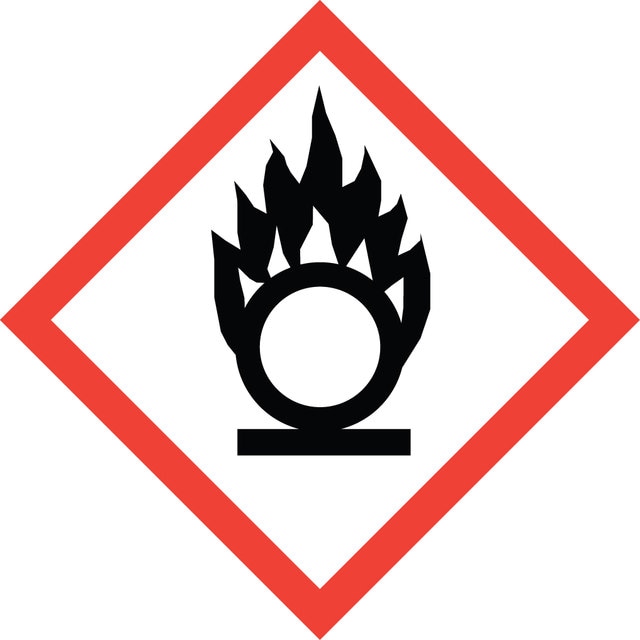




警示词
Danger
靶器官
Central nervous system
存储类别
5.1A - Strongly oxidizing hazardous materials
Hazard Classifications
Acute Tox. 4 Oral - Aquatic Acute 1 - Aquatic Chronic 1 - ED ENV 1 - Eye Dam. 1 - Flam. Liq. 3 - Met. Corr. 1 - Ox. Liq. 1 - Resp. Sens. 1 - Skin Corr. 1A - STOT SE 3