
Complete Solutions for Soil Testing
Introduction
Soil pollutant testing is a critical "health checkup" for land. It protects the public and ecosystem by identifying hidden toxins, like pesticides and chemicals. It helps industrial and agricultural businesses manage risks and ensure regulatory compliance. And it supports safe construction and development through timely detection of hazardous materials. But the complexity and variability of soil matrices and their chemical properties make accurate testing highly challenging.
We offer expert guidance and an unparalleled portfolio to help you simplify secure analysis. Our premium reagents, certified reference materials, and state-of-the-art instruments cover all key pollutants, support the most important analytical techniques, and comply with leading regulatory standards, like the US Environmental Protection Agency (EPA) and Chinese Environmental Protection Industry Standards Huán Jìng (HJ). Explore our solutions and learn how we can uncover the earth’s secrets together.
Section Overview
Soil Testing Workflow
Soil testing is a systematic process that ensures data represents the actual field conditions. Although each soil pollutant requires a specific analysis method, the general process is divided into the following four stages.
Sample collection
The process starts by collecting a representative soil sample that reflects the average conditions of the area being analyzed. This is achieved by taking multiple samples from different zones at a consistent depth of around 6 to 8 inches (15-20 cm). The samples are mixed in a clean container to create a single representative specimen of the average conditions of the entire area.
Sample preparation
Once in the lab, the soil is air-dried at room temperature to stop any biological or chemical processes. After drying, the sample is crushed and passed through sieves to remove rocks, roots, and debris. This ensures that the final material is a fine, uniform powder that allows for consistent analysis.
Chemical analysis
The testing method followed is highly dependent on the pollutant under investigation as well as regulatory requirements. What testing method is selected is highly dependent on the pollutant or component under investigation as well as regulatory requirements. One of the most common techniques is gas chromatography (GC), which involves the separation of volatile or semi-volatile analytes of interest inside a column. To quantify the components exiting the column, GC is combined with a detection method such as mass spectrometry (MS), high-resolution mass spectrometry (HRMS), or electron capture detection (ECD). High-performance liquid chromatography (HPLC) is also widely used, particularly for non-volatile, polar, or thermally labile pollutants, where separation occurs in a liquid mobile phase through a column and detection is achieved via UV/visible, fluorescence, or MS. Inorganic parameters and nutrients are often analyzed using colorimetric and photometric methods where ready-to-use systems can be used directly in the field or after short sample preparation to give fast results.
Quality control
Various methods are used during analysis and routine lab maintenance to verify data integrity. Measures include the use of certified reference materials (CRMs) or analytical standards to ensure measurement accuracy against control samples, repeat analysis of the same sample to check result consistency, and regular calibration of laboratory instruments using standard solutions. These steps are critical in the heavily regulated field of environmental testing.
Soil Testing Solutions
Local regulations typically define the soil contaminants and parameters that must be tested, as well as the analytical methods required for compliance. Regardless of the region, a comprehensive portfolio of method-compliant solutions is available to support reliable and reproducible results. In addition to high-quality reagents and reference materials, technical expertise and regulatory guidance help ensure consistent, defensible data. Beyond regulatory testing, soil analysis also plays an important role in nutrient management, helping growers monitor key soil nutrients and make informed decisions to support crop productivity.
Consumables for Testing Key Parameters
Below, you’ll find a list of key pollutants and other key parameters that need to be monitored in soil, along with recommended workflows and consumables. Browse the range to select the optimal solution for your soil testing requirements. Our customer service is available for further guidance and support if needed.
Dioxins
Dioxins are a group of persistent organic pollutants that can accumulate in soil through atmospheric deposition from waste incineration, metal smelting, chemical manufacturing, uncontrolled burning, and other industrial combustion processes. Because dioxins are highly stable, resistant to environmental degradation, and capable of bioaccumulating in the food chain, their presence in soil is associated with long-term risks to human health and the environment, including carcinogenicity, developmental effects, immune toxicity, and endocrine disruption. Accurate soil testing is therefore essential for environmental monitoring, contamination assessment, and regulatory compliance. The Chinese HJ 77.4-2008 method determines dioxins in soil and sediment using high-resolution gas chromatography coupled with high-resolution mass spectrometry (HRGC/HRMS) after sample extraction, purification, and cleanup procedures designed for trace-level analysis.
Ordering Information
Dioxin Sample Preparation & Cleanup
PFAS
PFAS are persistent synthetic chemicals that can enter soil through industrial activities, firefighting foams, landfill leachates, and wastewater sludge. Their persistence in the environment and potential to contaminate groundwater and the food chain make PFAS monitoring important for environmental assessment and regulatory compliance. PFAS in soil are commonly analyzed using liquid chromatography coupled with tandem mass spectrometry (LC-MS/MS) following sample extraction and cleanup, with methods such as EPA 1633 and ASTM D8535 widely used for PFAS determination in environmental samples, including soil.
Ordering Information
PFAS Analysis Solvents
PFAS HPLC Columns
Additives for PFAS Analysis
Polychlorinated Biphenyls (PCBs)
Polychlorinated biphenyls (PCBs) are industrial chemicals historically used in transformers, capacitors, hydraulic fluids, and other electrical applications, with contamination in soil commonly resulting from equipment leaks, disposal practices, and industrial emissions. Because PCBs remain stable in the environment for long periods and can accumulate in living organisms, their detection is important for evaluating environmental impact and meeting regulatory requirements. Analytical determination of PCBs in soil and sediment is commonly performed using chromatographic techniques such as the Chinese HJ 743-2015 method employing GC-MS and US EPA Method 8082A based on gas chromatography after sample extraction and cleanup.
Ordering Information
Solvents & Reagents
SPE Tubes & GC Columns
Analytical Standards & CRMs
Organochlorines
Organochlorines are chlorinated compounds that may be introduced into soil through pesticide usage, chemical manufacturing, industrial emissions, and improper waste handling. Since many of these compounds remain in the environment for extended periods and can transfer through soil, water, and food systems, their analysis is important for identifying contamination and supporting environmental quality evaluations. Organochlorines in soil and sediment are commonly determined using methods such as the Chinese HJ 835-2017 standard, which utilizes high-resolution gas chromatography coupled with mass spectrometry (HRGC/HRMS) after sample extraction and cleanup.
Ordering Information
Solvents, Reagents, & Reference Materials
SPE Tubes, GC Columns, & Accessories
Volatile Organic Compounds (VOCs)
Volatile organic compounds (VOCs) can enter soil through fuel spills, solvent usage, industrial discharges, landfill leakage, and chemical storage operations. Because VOCs can readily evaporate and migrate through soil and groundwater, their detection is important for evaluating site contamination and potential impacts on surrounding environments. VOCs in soil and sediment are commonly analyzed using the Chinese HJ 605-2011 method, which employs headspace gas chromatography-mass spectrometry (HS-GC-MS) following controlled sample preparation for the determination of volatile compounds.
Ordering Information
Solvents, Reagents, Reference Materials, & GC Column
Polycyclic Aromatic Hydrocarbons (PAHs)
Polycyclic aromatic hydrocarbons (PAHs) are generated during incomplete combustion of organic materials and can accumulate in soil from vehicle emissions, industrial activities, oil spills, coal tar, and combustion processes. Since many PAHs are chemically stable and some are classified as potential carcinogens, their determination is important for identifying contaminated sites and supporting environmental investigations. PAHs in soil and sediment are commonly analyzed using gas chromatography-mass spectrometry (GC-MS) and high-performance liquid chromatography (HPLC), depending on the target analytes, sensitivity requirements, and applicable regulations. Commonly used methods include the Chinese HJ 805-2016 method and US EPA Methods 8270E, 3561, and 3545A, following appropriate sample extraction and preparation.
Ordering Information
PAH HPLC Columns
SPE Tubes, GC Columns, & Accessories
Reference Materials
Solvents & Reagents
Total Petroleum Hydrocarbons (TPHs)
Total petroleum hydrocarbons (TPHs) are a broad group of hydrocarbon compounds derived from crude oil, such as diesel fuel, gasoline, lubricating oils, and kerosene, that can contaminate soil through fuel leaks, oil spills, refinery operations, and industrial activities. Elevated TPH levels may indicate petroleum contamination that can affect soil quality and groundwater conditions, making analysis important during site assessment and remediation studies. TPHs in soil are commonly determined using gas chromatography techniques such as ISO 16703:2011, which describes the determination of hydrocarbon fractions in the C10-C40 range using GC-MS following solvent extraction and sample preparation.
Ordering Information
Sample Preparation & GC Analysis
Non-Halogenated VOCs
Non-halogenated volatile organic compounds (VOCs) are organic chemicals that do not contain halogen atoms and include compounds such as benzene, toluene, ethylbenzene, and xylene (BTEX), which can enter soil through fuel releases, solvent usage, and industrial activities. Because these compounds can migrate through soil and groundwater and contribute to site contamination, their analysis is important for environmental investigations and clean-up projects.
Ordering Information
Sample Preparation, Purge and Trap, & GC Analysis
Pesticides
Pesticides can accumulate in soil through agricultural applications, spray drift, runoff, and improper disposal practices. Residual pesticide contamination in soil may affect crop quality, surrounding water systems, and land use suitability, making analysis important for agricultural and environmental assessment. Pesticides in soil, sediment, and related matrices are commonly determined using GC-MS or HRGC/HRMS methods such as US EPA Method 1699. HPLC and LC-MS/MS methods are also widely used for polar pesticides such as glyphosate, with the Supel™ Carbon column providing an effective chromatographic solution.
Ordering Information
Pesticide Analysis Products
Organochlorine Pesticides
Organochlorine pesticides are chlorinated compounds formerly widely used for agricultural and pest control applications, including chemicals such as DDT, aldrin, and chlordane, which can remain in soil long after application. Their continued presence in contaminated land can influence agricultural use, water quality, and environmental safety assessments, making reliable detection important for site evaluation and compliance testing. Determination of organochlorine pesticides in soil is commonly performed using gas chromatography techniques outlined in US EPA Method 8081B after appropriate sample preparation and extraction.
Ordering Information
Solvents, Reagents, & Reference Materials
SPE Tubes, GC Columns, & Accessories
Radionuclide Reagents
Radioactive in nature, radionuclides, are introduced into soil through nuclear activities, mining operations, industrial processes, accidental releases, and fallout from radiological events. Measuring radionuclide levels in soil helps identify radioactive contamination, evaluate affected areas, and support decision-making during environmental and incident response investigations. Radionuclides in soil are commonly analyzed using procedures outlined in EPA Method 402-R-12-006, which provides guidance for radiological laboratory sample analysis during incident response applications.
Reagents
Nitrogen Compounds
Nitrogen compounds in soil, including nitrate, nitrite, and ammonia, may arise from fertilizer application, livestock waste, wastewater discharge, industrial activities, and natural organic matter decomposition. Imbalances in nitrogen levels can alter nutrient availability, reduce soil quality, and increase the movement of contaminants into nearby water sources, making routine analysis invaluable for land management and contamination studies.
Ordering Information
Ammonium Test Kits & Standard Solutions
Nitrate Test Kits & Standard Solutions
Nitrogen Test Kits
Combicheck Standard Solutions
COD
Chemical oxygen demand (COD) measures the amount of oxygen required to chemically oxidize organic and inorganic substances present in a sample. It is widely used to evaluate contamination from industrial waste, sewage, agricultural runoff, and landfill leachates. Elevated COD levels in soil or associated leachates can indicate the presence of high organic pollutant loads that may affect soil and water quality.
Ordering Information
COD Test Kits & Standard Solutions
Phosphorous Compounds
Phosphorous compounds in soil include phosphates and related inorganic or organic forms that can originate from fertilizers, detergents, animal waste, industrial discharge, and decomposing organic material. Excess phosphorous accumulation alters soil nutrient balance and contributes to nutrient runoff into surrounding water bodies, making analysis important for agricultural management and environmental quality assessment. These compounds are commonly determined in soil using colorimetric, spectrophotometric, or ion chromatographic methods following sample extraction and preparation.
Ordering Information
Phosphate Test Kits
Phosphate Standard Solutions
Sulfurous Compounds
Sulfurous compounds enter soil through industrial activities, petroleum releases, mining operations, wastewater infiltration, agricultural practices, and the natural decomposition of organic matter. Sulfates, sulfites, and other sulfur-containing compounds can affect soil quality, generate odors, alter microbial activity, and impact groundwater and surrounding ecosystems. Testing soil for sulfurous compounds helps identify contamination, support site characterization and remediation, and demonstrate compliance with environmental regulations.
Ordering Information
Sulfate & Sulfite Test Kits & Standard Solutions
Metals
Metals such as chromium, lead, cadmium, arsenic, and mercury enter soil through industrial activities, mining operations, metal processing, waste disposal, and contaminated runoff. High metal concentrations can affect soil quality, plant growth, and groundwater conditions, making metal analysis important for contamination assessment and land management studies. Laboratories analyze metals in soil using established analytical methods, such as US EPA Method 3060A for alkaline digestion and determination of hexavalent chromium in soil, sludge, and sediment prior to instrumental analysis.
Ordering Information
Test Kits
Reference Materials
Reagents for Analysis & Combicheck Standard Solutions
Other Compounds/Parameters
Other soil testing parameters include nutrients and routine chemical indicators such as boron, calcium, chloride, sodium, and pH, which help evaluate soil fertility, salinity, nutrient balance, and overall soil condition for agricultural and environmental applications. Laboratories commonly determine these parameters using colorimetric tests, ion-selective methods, titration techniques, and pH measurements supported by calibration standards, indicator strips, and ready-to-use analytical test kits.
Ordering Information
Test Kits
Standard Solutions
pH Test Kits & Strips
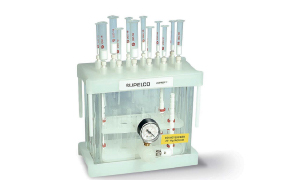
Our sample preparation and purification products enable efficient cleanup, recovery, and concentration of soil samples to support accurate quantitative analysis.
Designed for environmental and industrial applications, the Supelclean™ ENVI & Supelclean™ SPE cartridges provide rapid and selective sample preparation and purification prior to chromatographic techniques such as HPLC, GC, and TLC. We also offer specialized systems and consumables for the extraction and isolation of dioxins, furans, and co-planar polychlorinated biphenyls (PCBs).
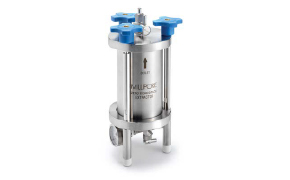
We offer a wide range of hardware and glassware solutions for separation, extraction, and filtration workflows in soil testing applications. Our portfolio includes Soxhlet extractors, toxicity characteristic leaching procedure (TCLP) systems, hazardous waste filtration systems, zero headspace extractors, and related accessories designed to support efficient and reliable soil sample processing.
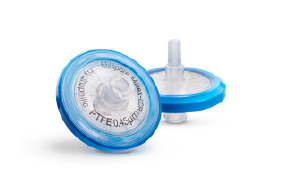
We provide a comprehensive range of filtration solutions for sample collection, separation, and contaminant removal prior to soil analysis. Our portfolio includes Millipore® membrane filters available in multiple pore sizes and diameters for reliable analytical filtration, along with Millex® syringe filters, membrane filters, filter holders, and vacuum filtration glassware to support routine soil sample preparation workflows. We also offer Millicup™-FLEX disposable vacuum filtration units that combine the functionality of traditional filtration glassware with added operational flexibility and convenience.
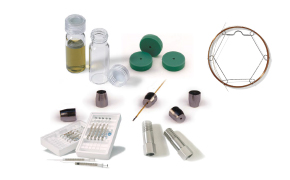
Gas chromatography (GC) separates volatile compounds by carrying vaporized analytes through a heated column using an inert carrier gas, where differences in chemical and physical interactions with the stationary phase enable compound separation. We offer a comprehensive portfolio of GC columns, consumables, and accessories designed to support high-performance separations, improved laboratory productivity, and sensitive detection across soil testing applications.
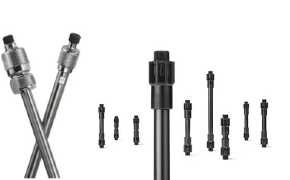
Our portfolio features columns built on Fused-Core® particle technology, ultra-pure silica, and specialized stationary phases to ensure reliable separations across diverse analyte classes. Ascentis® Express columns deliver maximum resolution for acidic, neutral, and basic compounds, while Chromolith® HPLC and UHPLC columns utilize monolithic silica technology to reduce back pressure and enable high-throughput analysis without compromising separation efficiency.
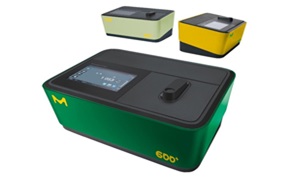
Our Spectroquant® Prove plus spectrophotometers deliver fast and precise measurements with preprogrammed methods for a broad range of test kits, while Spectroquant® Reagent and cell test kits support accurate routine and specialized analyses across multiple photometric platforms. For field-based applications, Spectroquant® Move colorimeters offer compact, dust-tight, and waterproof operation for dependable on-site testing. We also offer CombiCheck and single-parameter RMs to support method validation, internal quality control, accreditation, and routine performance verification of photometric methods and test systems.
Rapid Chemical Testing
We offer mobile and cost-effective solutions for rapid on-site analysis of soil parameters such as nutrients and pH. Our Reflectoquant® system combines high-quality test strips with the portable RQflex® 20 reflectometer to enable flexible field-based measurements of key soil metrics.
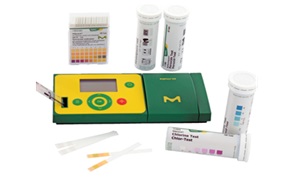
For colorimetric analysis, MQuant® visual test kits provide rapid concentration measurements based on reagent-induced color changes that can be compared against color scales or reference disks.
MQuant® titrimetric tests support controlled endpoint determination for soil analysis across a wide concentration range, while MQuant® test strips enable simple dip-and-read testing for multiple parameters directly in the field. We also offer MQuant® pH indicator strips designed for turbid soil solutions and the MQuant® StripScan App for smartphone-based test strip evaluation and digital result interpretation.
CRMs & Analytical Standards
We offer a comprehensive portfolio of analytical standards, reference materials, and certified reference materials (CRMs) to support accurate, reproducible results across soil testing workflows, including instrument qualification, calibration, method validation, parameter determination, and internal quality control.
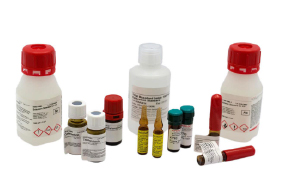
Our range of CRMs includes:
The CRMs are produced under ISO/IEC 17025 and ISO 17034 accreditation to support reliable analytical performance and regulatory compliance.
Analytical Essentials
We offer a broad portfolio of analytical solvents, inorganic reagents, and laboratory essentials for wet chemistry, chromatography, spectroscopy, titration, water quality testing, and electrochemical analysis. Our range includes high-purity acids and bases, solvents, specialty reagents, and laboratory safety products available in multiple quality grades and packaging formats to support diverse analytical workflows.
The EMSURE® portfolio features premium-grade solvents and inorganics developed for demanding laboratory applications, delivering high purity and consistent specifications to support reliable test conditions and analytical accuracy.
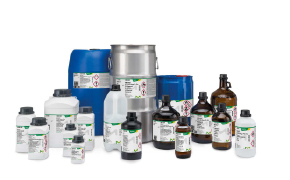
Our portfolio includes:
Lab Safety Solutions
We provide comprehensive lab safety solutions designed to support safe chemical handling, routine laboratory operations, and emergency response procedures.

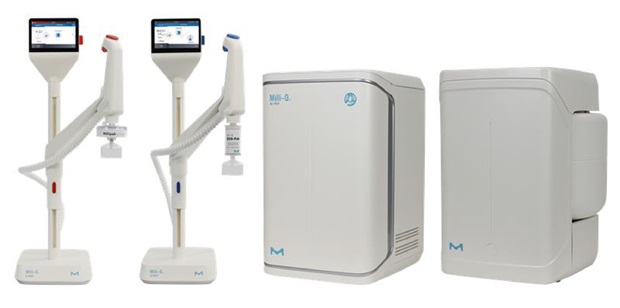
High-quality reagent water plays a critical role in soil analysis because it directly influences the preparation of samples, blanks, reagents, and standard solutions, as well as the accuracy and reliability of analytical results. Milli-Q® IQ 7003/05/10/15 water purification systems produce pure and ultrapure water directly from tap water to support demanding analytical workflows with consistent water quality.
We also offer application-specific POD-Paks for targeted contaminant removal at the point of dispense:
- Millipak® 0.22 µm filter for removal of particles and bacteria, suitable for spectrophotometry, IC, ICP, BOD, and COD analysis
- VOC-Pak® polisher for water used in GC-MS applications
- LC-Pak® polisher for trace and ultra-trace organic analysis by HPLC or LC-MS, including PFAS and pesticide analysis