

agency
USP
assay
65.0-82.0%
autoignition temp.
176 °F
mp
105 °C (lit.)
SMILES string
O=C(OOC(=O)c1ccccc1)c2ccccc2
InChI
1S/C14H10O4/c15-13(11-7-3-1-4-8-11)17-18-14(16)12-9-5-2-6-10-12/h1-10H
InChI key
OMPJBNCRMGITSC-UHFFFAOYSA-N
Application
聚合工艺中广泛应用的引发剂、固化剂和交联剂。
Still not finding the right product?
Explore all of our products under 过氧化苯甲酰
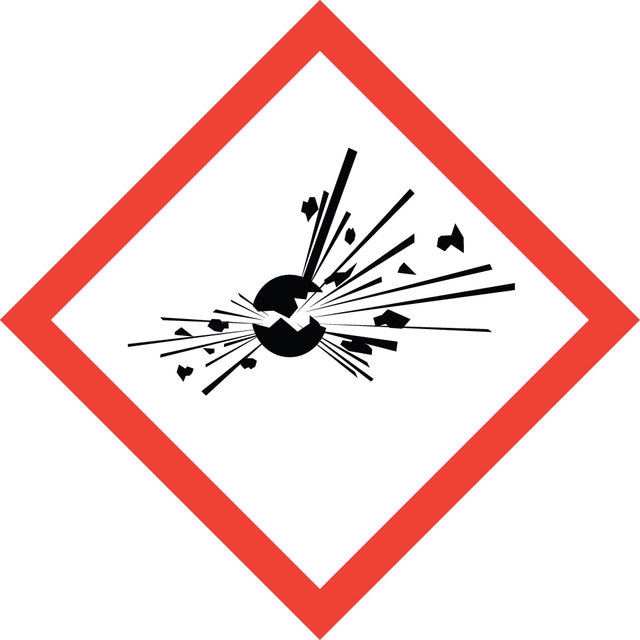



signalword
Danger
hcodes
Hazard Classifications
Aquatic Acute 1 - Aquatic Chronic 1 - Eye Irrit. 2 - Org. Perox. B - Skin Sens. 1A
存储类别
4.1A - Other explosive hazardous materials
wgk
WGK 2
flash_point_f
Not applicable
flash_point_c
Not applicable
法规信息
新产品
此项目有
Tarek Fakhouri et al.
Journal of drugs in dermatology : JDD, 8(7), 657-661 (2009-07-11)
Antibiotic resistance of Propionibacterium acnes (P. acnes) is a growing phenomenon in the wake of widespread use of topical and systemic antibiotics for acne vulgaris. Benzoyl peroxide has a proven track record of safety and efficacy, and can decrease reliance
A L Kraus et al.
Regulatory toxicology and pharmacology : RTP, 21(1), 87-107 (1995-02-01)
Topical benzoyl peroxide has been used in the treatment of acne for over 30 years, with no reports of adverse effects that could be related to skin carcinogenesis. Two case-control epidemiological studies have found a lack of association between the
Gillian M Keating
American journal of clinical dermatology, 12(6), 407-420 (2011-10-05)
Adapalene 0.1%/benzoyl peroxide 2.5% gel (Epiduo™, Tactuo™) is the only fixed-dose combination product available that combines a topical retinoid with benzoyl peroxide; it targets three of the four main pathophysiologic factors in acne. This article reviews the therapeutic efficacy and